 For Sale
6 Stores
For Sale
6 Stores
For sale
Gas Stations With a Car Wash for sale.
Fuel, convenience, and a high-margin wash bay under one roof. What these combo assets are worth, why buyers chase them, and how to acquire or sell one.
Active deals
Available now
Key takeaways
- A gas station with a car wash stacks fuel, in-store, and wash income, and the wash adds high-margin cash flow once equipment is paid down.
- Real-estate-inclusive C-store assets trade around a 5.6% national cap rate, roughly 5.58% with fuel income and 6.87% without fuel.
- Combined business-plus-real-estate deals price near 8x EBITDA in most markets, with 7x to 9x in premium metros.
- SBA 7(a) financing reaches $5M with a 15% minimum equity injection for special-purpose fuel sites, plus a required Phase I ESA at $1,800 to $3,500.
- Diligence has to cover both underground storage tanks and the wash systems, water recycling, and equipment age before you commit.
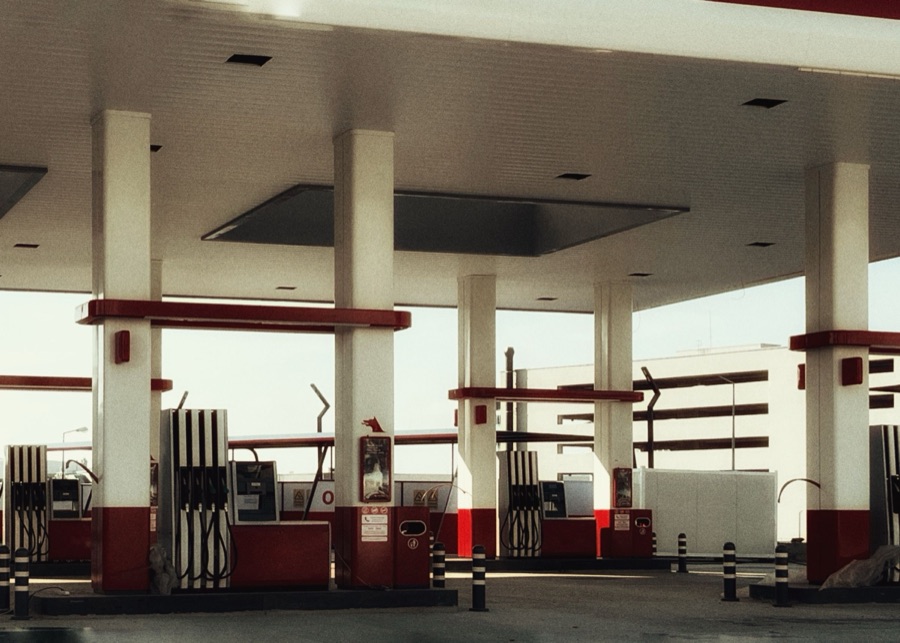
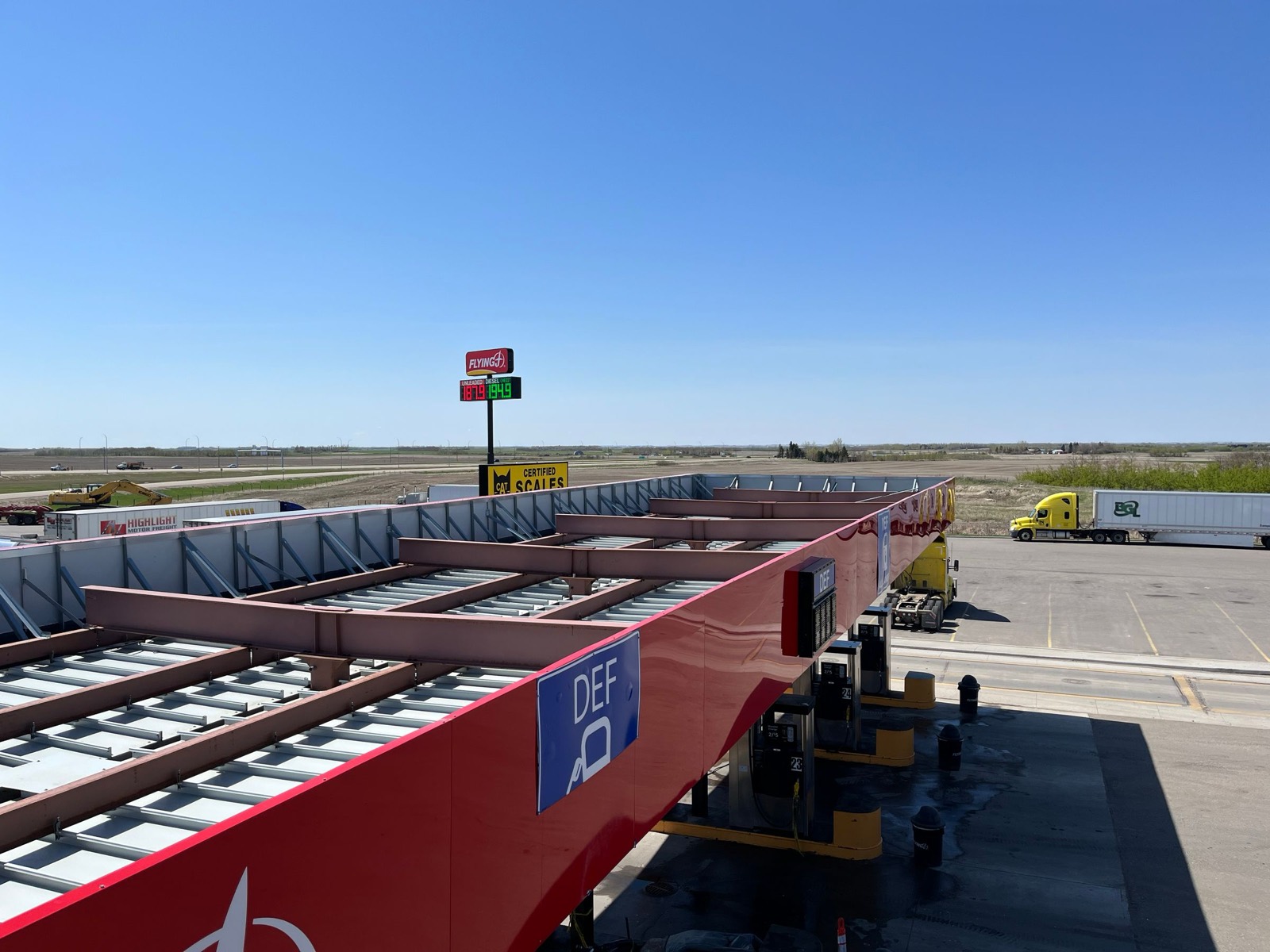
A gas station with a car wash pairs three income streams on a single site.
What a Gas Station With a Car Wash Is
This is a fuel and convenience site that also operates a car wash, either an automatic in-bay unit, a conveyor tunnel, or self-serve bays. The wash sits on the same parcel and shares the fuel canopy, signage, and customer base. Many sites bundle wash purchases with fuel fill-ups, which raises ticket size and repeat visits.
The mix matters when you value the asset. The C-store side already drives most of the profit at a typical site, around 30% of revenue but close to 70% of profit, because in-store items carry 20% to 40% margins against a few cents of net fuel profit per gallon. A productive wash adds a fourth lever on top of that. The result is a property with more durable cash flow than a fuel-only station, which is exactly why these assets command attention. See our branded gas station listings for sites that often pair a major fuel brand with a wash.
Why Buyers Want the Wash
The wash is a margin engine. Fuel runs on thin net profit, often only a few cents per gallon even when 2025 fuel gross margins averaged 40 plus cents per gallon. A car wash, by contrast, has low variable cost per ticket once the equipment and water systems are in place. That incremental margin is what lifts owner take-home, and small-to-medium station owners often net roughly $70K to $100K per year, with stronger sites reaching $100K to $500K.
The wash also defends the site. It pulls recurring local traffic that a pure fuel stop does not, and unlimited-wash membership programs build predictable monthly revenue. For an operator who wants to grow income without buying a second property, adding or improving a wash is one of the clearest paths. Our guide on how to increase gas station value covers the playbook in detail.
Valuation and Cap Rates for Fuel-Plus-Wash Assets
Three methods drive price. Business-only deals trade at 2.5x to 4.0x EBITDA, and combined operations including the wash run 4.0x to 7.0x EBITDA. When the real estate is included, expect around 8x EBITDA, with 7x to 9x in premium markets. On a cap-rate basis, real-estate-inclusive C-store assets sit near a 5.6% national cap, roughly 5.58% with fuel income and 6.87% without.
Geography moves the number. Florida is tightest near 5.11%, Texas runs about 5.63%, and weaker markets push to 6.0% to 6.5% or higher. A strong, modern wash with documented revenue can compress the cap further because underwriters credit the added income stream. Run your own figures with the gas station valuation calculator and the cap rate calculator, then read what is a good cap rate for a gas station.
How to Buy or Sell One
On the buy side, financing is the gate. SBA 7(a) goes up to $5M, with a 15% minimum equity injection for special-purpose fuel sites, real estate terms to 25 years, and June 2026 rates around 9% to 11.5% APR variable. A Phase I ESA at $1,800 to $3,500 under ASTM E1527-21 is required for SBA fuel deals. Conventional debt asks 30% to 40% down and many banks avoid underground storage tanks over CERCLA exposure. Compare paths in SBA vs conventional gas station loans and start at financing.
On the sell side, clean financials for fuel, store, and wash separately is what wins a premium. Diligence must cover both the underground tanks and the wash equipment, water reclaim, and bay condition. Begin a confidential process through our sell page and use the due diligence checklist to prepare.
FAQ
Common questions
Price depends on income, not a fixed sticker. Business-only deals run 2.5x to 4.0x EBITDA, combined operations including the wash run 4.0x to 7.0x EBITDA, and real-estate-inclusive sales price near 8x EBITDA, with 7x to 9x in premium markets. On a cap-rate basis, these assets cluster around 5.6% nationally, tighter in Florida near 5.11% and Texas around 5.63%. Run your numbers with the valuation calculator.
Yes, when it has documented revenue. Fuel earns only a few cents of net profit per gallon, but a paid-down wash carries high incremental margin per ticket. That extra cash flow raises EBITDA and can compress the cap rate because underwriters credit the additional income stream. A modern wash with an unlimited-membership program is especially valuable for the recurring revenue it produces.
SBA 7(a) is the common path, up to $5M with a 15% minimum equity injection for special-purpose fuel sites, real estate terms to 25 years, and June 2026 rates around 9% to 11.5% APR variable. Conventional loans ask 30% to 40% down, though many banks avoid underground storage tanks over CERCLA liability. SBA fuel deals require a Phase I ESA at $1,800 to $3,500. See how to get a gas station loan.
Beyond the standard underground storage tank review and Phase I ESA, you need to inspect the wash itself: equipment age and condition, the water recycling and reclaim system, bay or tunnel mechanics, and the maintenance history. Separate the wash revenue and expenses in the financials so you can value that stream on its own. Our due diligence checklist walks through both the fuel and wash items.
Put us to work
Want this asset type in your inbox?
Join deal alerts and we will send matching opportunities, including off-market deals.