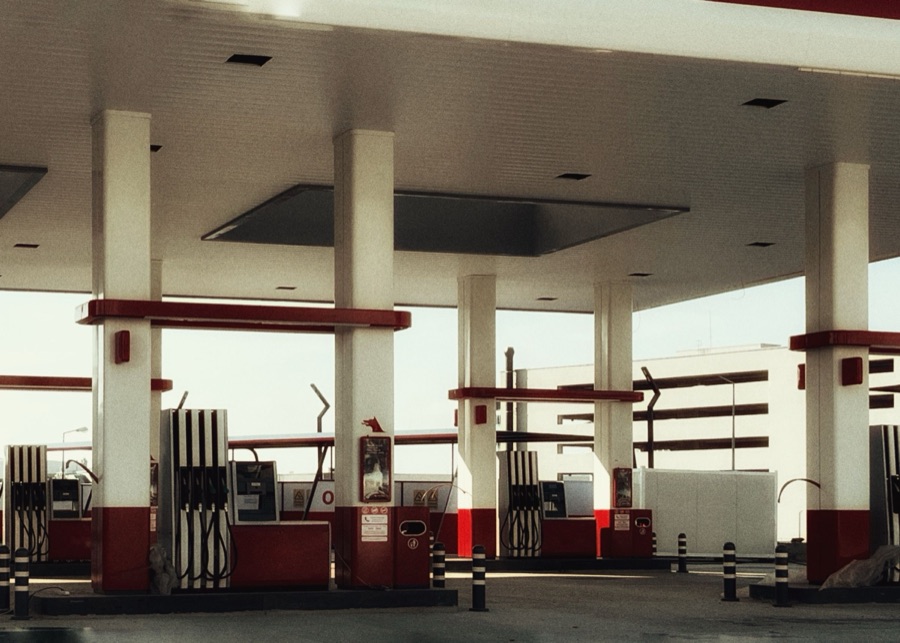
 For Sale
6 Stores
For Sale
6 Stores
Michigan
Gas stations for sale in Michigan.
~4,960-4,990 C-stores (8th nationally); one of the highest rates of independent/family ownership of party-store-plus-fuel sites in the country.
Michigan runs roughly 4,960 to 4,990 convenience stores, the 8th largest C-store count in the country. What sets the state apart is ownership. Michigan has one of the highest rates of independent and family ownership of party-store-plus-fuel sites anywhere in the US, which means a deep pool of single-site sellers and first-time buyers rather than corporate consolidators controlling every corner. That fragmentation creates real opportunity on both sides of the table, from Detroit metro infill to Grand Rapids growth corridors. Gas Station Trader is a specialist gas station and C-store brokerage based in Dallas, with more than 250 million dollars transacted. We handle buy-side, sell-side, sale-leaseback, and financing for Michigan fuel and convenience assets. Call us at 469.949.6467.
The Michigan Gas Station Market
Michigan holds about 4,960 convenience stores, placing it 8th nationally behind larger markets like Ohio at roughly 5,833 and ahead of Pennsylvania near 4,800. For context, the US has about 152,000 C-stores total, and roughly 60% are single-store operators. Michigan skews even more independent than that national average, with a long tradition of family-owned party stores that pair packaged liquor and grocery with fuel.
The brand mix runs the full range, from major-branded jobber-supplied sites to unbranded independents buying on the rack. A busy urban station moves 100,000 to 150,000 gallons per month, while the average US station does about 4,000 gallons per day. Knowing which category a site falls into drives both the price and the buyer pool. Start with our branded vs unbranded guide or browse current listings.
Buying a Gas Station in Michigan
Michigan's fragmented ownership means more single-site deals reach the market, which favors first-time and expansion buyers. Most acquisitions run through SBA 7(a) financing, capped at 5 million dollars. Gas stations are special-purpose properties, so the SBA requires a 15% minimum equity injection, with 10% to 15% down common, and real estate terms up to 25 years. June 2026 rates sit roughly 9% to 11.5% APR variable, with closings of 30 to 90 days.
Conventional financing typically demands 30% to 40% down, and many banks avoid sites with underground storage tanks because of CERCLA strict liability. Any SBA fuel deal requires a Phase I Environmental Site Assessment to ASTM E1527-21, running 1,800 to 3,500 dollars with gas stations at the high end. Read our how to buy a gas station and SBA 7(a) loan guides before you make an offer.
Selling a Gas Station in Michigan
With so many independent and family operators across Michigan, a large share of sellers are owners approaching retirement or exiting a single store. That makes clean financials the difference between a fast close and a stalled listing. Buyers and their lenders will underwrite your EBITDA, fuel volume, and inside sales, so reconstruct owner add-backs before you go to market.
Typical sale timelines run 3 to 6 months, sometimes 6 to 12 for harder assets. Business broker commissions run 10% to 20% on business-only deals and about 6% to 10% on real-estate-inclusive transactions. Pricing a site correctly the first time matters, because the C-store is about 30% of revenue but roughly 70% of profit, and undervaluing inside margins leaves money on the table. See our how to sell guide and exit and retirement strategy, or start at sell with us.
Michigan Cap Rates and Values
National gas station cap rates average about 5.6%, roughly 5.58% with fuel and 6.87% without fuel. Branded credit tenants compress further, with 7-Eleven trading 5.00% to 5.40% and Circle K 5.35% to 5.65%. Michigan sites priced as independent operating businesses sit wider than coastal NNN deals, closer to the values you would model for an owner-operator rather than a passive investment.
On valuation, business-only deals trade at 2.5x to 4.0x EBITDA, combined business-and-real-estate at 4.0x to 7.0x, and deals with strong real estate around 8x, ranging 7x to 9x in premium markets. An alternate check is 0.05 to 0.30 dollars per gallon of monthly throughput. A small-to-medium owner often nets 70,000 to 100,000 dollars per year, scaling to 100,000 to 500,000 by site. Run the numbers with our valuation calculator and cap rate calculator.
Detroit, Grand Rapids, and Michigan Regions
Detroit and its metro carry the highest station density in the state, with dense urban corners where a busy site clears 100,000 to 150,000 gallons per month and inside sales carry the profit. Infill locations command tighter pricing and draw the strongest buyer competition, especially branded sites with real estate included.
Grand Rapids anchors West Michigan and pairs steady population growth with a mix of suburban and corridor sites. Outside the two metros, rural and small-town stations, many of them classic Michigan party stores, trade closer to 4x EBITDA when unbranded, which can suit a hands-on operator or a value-add buyer. Whether you are targeting a Detroit infill corner or a Grand Rapids growth corridor, we can source it. Call 469.949.6467 or review our profitability guide and current listings.
Active deals
Stations & portfolios for sale
FAQ
Buying & selling gas stations in Michigan
Michigan has roughly 4,960 to 4,990 convenience stores, the 8th largest count in the US. The state stands out for one of the highest rates of independent and family ownership of party-store-plus-fuel sites in the country, so single-store operators make up an unusually large share of the market compared to the national figure where about 60% of C-stores are single-store.
National gas station cap rates average about 5.6%, roughly 5.58% with fuel and 6.87% without. Branded credit tenants like 7-Eleven trade 5.00% to 5.40% and Circle K 5.35% to 5.65%. Most Michigan independents are priced as operating businesses rather than passive NNN investments, so they value off EBITDA multiples of 2.5x to 4.0x business-only or 4.0x to 7.0x combined, not a compressed coastal cap rate. Use our cap rate calculator to model your site.
A small-to-medium station owner often nets about 70,000 to 100,000 dollars per year, with higher-volume or multi-site operators ranging to 100,000 to 500,000 by location. Most of that profit comes from inside the store. The C-store is about 30% of revenue but roughly 70% of profit, since net fuel profit is only a few cents per gallon while in-store items carry 20% to 40% margins. See our how much gas stations make guide.
Yes for almost any financed deal. A Phase I Environmental Site Assessment to ASTM E1527-21 is required for SBA fuel deals and costs 1,800 to 3,500 dollars, with gas stations at the high end. It matters because underground storage tanks carry CERCLA strict liability, which is why many banks avoid them and why conventional financing on these sites often requires 30% to 40% down. Read our Phase I guide and underground storage tank guide.
Get started
Buying or selling in Michigan? Let's talk.
Whether you are acquiring your first store in Michigan or exiting a portfolio, we know the Michigan market and the buyers in it.
469.949.6467