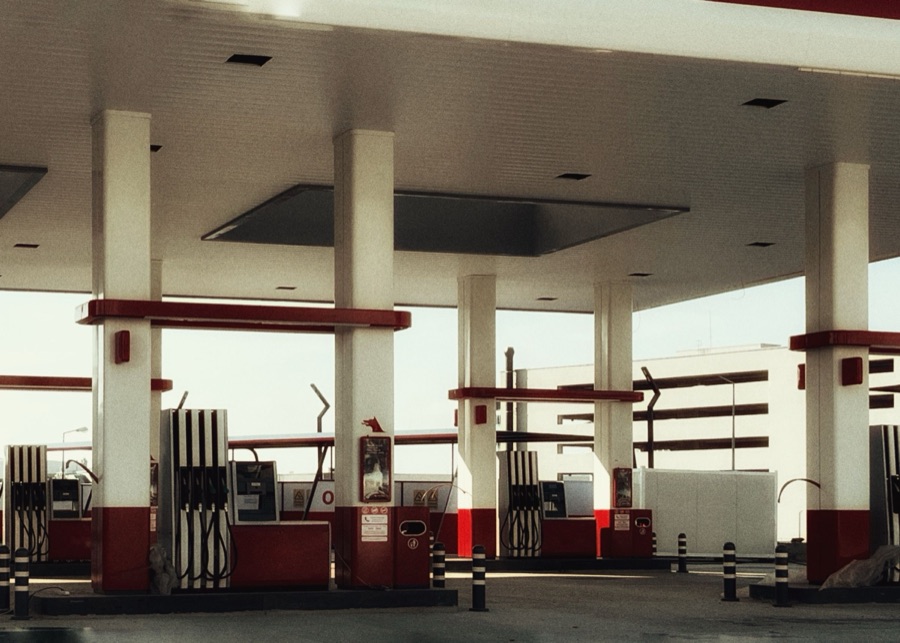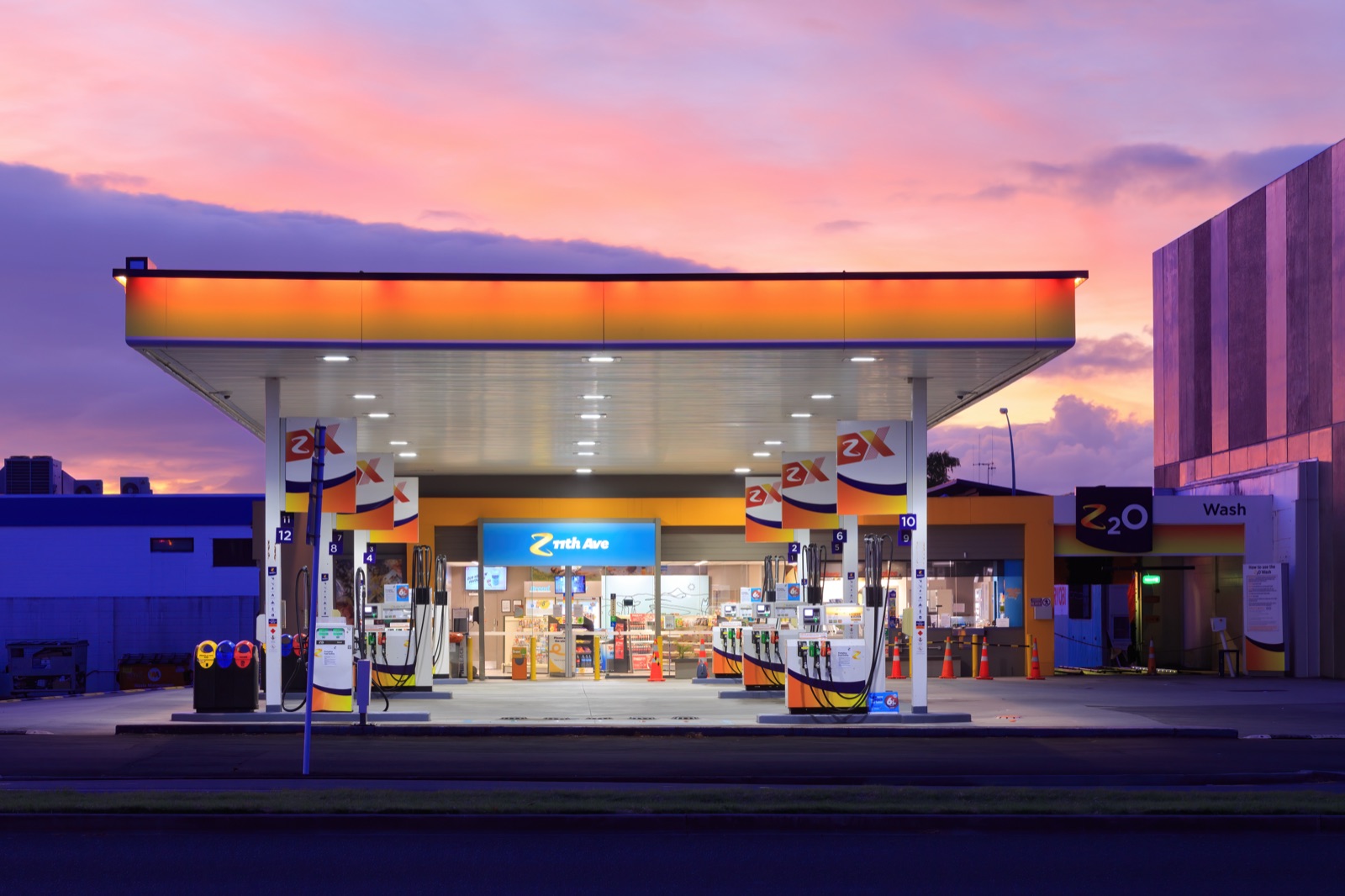
Miami sits inside the tightest fuel and C-store market in the country. Florida leads the nation on pricing, with cap rates compressing to roughly 5.11 percent, and the state runs about 9,730 convenience stores, the fourth largest count in the United States. Dense traffic counts, year-round tourism, and high fuel volumes make Miami a target market for both operators and 1031 buyers chasing NNN income. We are Gas Station Trader, the fuel and C-store practice of Eagle Nest Property Group in Dallas, with 250 million dollars plus transacted. Brokerage runs through Eagle Nest Brokerage LLC, a licensed Texas broker. Principal Stuart W. Monteith is a D CEO Power Broker for 2025 and 2026. We underwrite Miami deals on fuel volume, in-store margin, and environmental risk before you sign.
The Miami gas station market
Miami is one of the most competitive fuel and C-store markets in Florida, which itself carries about 9,730 convenience stores statewide. That count ranks fourth nationally behind Texas, California, and New York. Demand here is driven by dense urban traffic, port and airport activity, and steady tourism, which pushes throughput well above the US average of roughly 4,000 gallons per day. A busy urban Miami station can run 100,000 to 150,000 gallons per month.
Across the C-store model, in-store sales drive the economics. The store generates about 30 percent of revenue but close to 70 percent of profit, with in-store items carrying 20 to 40 percent margins. See our Florida gas stations for sale overview and the gas station profit margins guide.
Buying a gas station in Miami
Miami buyers split into two camps: operators acquiring cash flow and investors chasing NNN income. Owners of small-to-medium stations often net about 70,000 to 100,000 dollars per year, rising to 100,000 to 500,000 dollars by site. Pricing depends on the structure. Business-only deals trade at 2.5x to 4.0x EBITDA, combined operations at 4.0x to 7.0x, and deals including real estate around 8x EBITDA, reaching 7x to 9x in premium markets.
Financing matters early. SBA 7(a) caps at 5 million dollars and requires a 15 percent minimum equity injection on special-purpose fuel deals, with closings in 30 to 90 days. Start with our buyer services, the due diligence checklist, and the valuation calculator.
Selling a gas station in Miami
Selling in a market priced as tightly as Miami rewards clean financials and proven volume. Buyers pay for documented fuel throughput and in-store margin, since the C-store is about 30 percent of revenue but close to 70 percent of profit. We position your station on the metrics that move price: monthly gallons, in-store sales, and a clean environmental file.
Plan for timelines and costs up front. Sale timelines run 3 to 6 months typical, and business broker commissions run 10 to 20 percent on business-only deals and about 6 to 10 percent on real-estate-inclusive deals. SBA fuel buyers require a Phase I ESA under ASTM E1527-21, costing 1,800 to 3,500 dollars, so address tank and contamination questions early. Start with our seller services and the how to sell a gas station guide.
Values and cap rates in Florida
Florida is the tightest gas station market in the country. Cap rates compress to roughly 5.11 percent, below the national average of about 5.6 percent (roughly 5.58 percent with fuel and 6.87 percent without fuel). Brand drives a large part of that spread. Wawa trades at 4.83 to 5.20 percent, 7-Eleven at 5.00 to 5.40 percent, Murphy USA around 5.13 percent, and Circle K at 5.35 to 5.65 percent.
For 1031 buyers, absolute NNN assets with 15 to 20 year terms make the ideal replacement, and the clock is firm: 45 days to identify and 180 days to close. Model your position with the cap rate calculator and the 1031 deadline calculator, or read the cap rates by state guide.