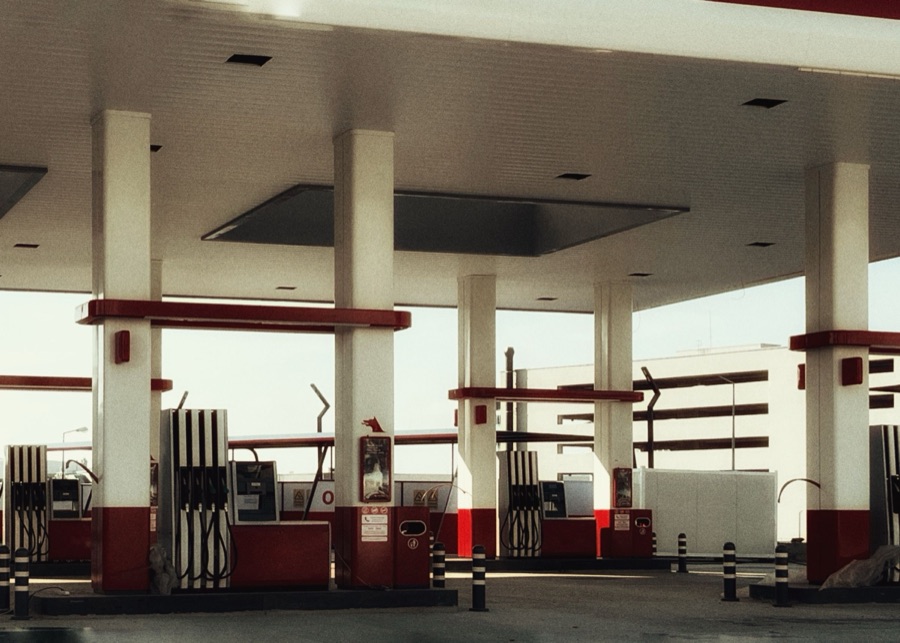
 For Sale
6 Stores
For Sale
6 Stores
Arizona
Gas stations for sale in Arizona.
One of the nation's fastest-growing populations; QuikTrip and Circle K (Phoenix-HQ) dominate while independents trade actively across the Sun Belt corridor.
Arizona runs on one of the nation's fastest-growing populations, and that growth shows up at the pump. QuikTrip and Phoenix-headquartered Circle K dominate the high-traffic corridors, while independents trade actively across the Sun Belt as operators retire, refinance, or reposition single sites. For buyers and sellers of gas stations for sale in Arizona, that means a deep pool of branded and unbranded inventory and real competition for well-located fuel and C-store assets. Gas Station Trader is a specialist gas station and C-store brokerage (Eagle Nest Property Group, Dallas TX) with more than 250 million dollars transacted. We handle buying, selling, sale-leaseback, and financing for Arizona owners and investors. Call 469.949.6467.
The Arizona gas station and C-store market
Arizona sits inside a national base of roughly 152,000 convenience stores, and the state's profile is shaped by sustained population growth across the Phoenix and Tucson metros. Circle K, headquartered in Phoenix, and QuikTrip anchor the busiest interchanges and arterials, setting the volume and format benchmark that independents compete against.
About 60 percent of US C-stores are single-store operators, and Arizona reflects that mix. Family-run sites, small portfolios, and unbranded locations change hands regularly across the Sun Belt corridor. That independent base is where most brokered transactions happen.
Knowing where a station fits, by fuel volume, inside sales, brand status, and real estate, is the starting point for any deal. See branded vs unbranded gas stations and our guide to who buys gas stations.
Buying a gas station in Arizona
Arizona buyers face the same core questions everywhere: how to read fuel volume, inside sales margins, jobber contracts, and the condition of the underground storage tanks. A busy urban station moves 100,000 to 150,000 gallons per month, while the US average runs near 4,000 gallons per day. Inside sales matter because the C-store is roughly 30 percent of revenue but about 70 percent of profit.
Financing usually runs through SBA 7(a), capped at 5 million dollars, with a 15 percent minimum equity injection on special-purpose gas stations and terms up to 25 years on real estate. June 2026 rates run roughly 9 to 11.5 percent APR variable, with closings in 30 to 90 days.
Start with our how to buy a gas station guide and SBA 7(a) loan walkthrough, then browse listings.
Selling a gas station in Arizona
Selling well in Arizona starts with clean numbers. Buyers and their lenders price off fuel volume, inside sales margins, and verifiable EBITDA, so organized records on throughput, jobber terms, and store performance move deals faster. Most sales close in 3 to 6 months, sometimes 6 to 12 depending on financing and environmental review.
Environmental diligence is part of nearly every fueled transaction here. A Phase I Environmental Site Assessment runs 1,800 to 3,500 dollars, with gas stations at the high end, follows ASTM E1527-21, and is required for SBA fuel deals. Broker commissions run 10 to 20 percent on business-only sales and about 6 to 10 percent on real-estate-inclusive deals.
Review our how to sell a gas station and Phase I environmental guides, then start at sell your station.
Arizona cap rates and station values
Arizona pricing tracks national benchmarks. Net-lease C-stores trade near a 5.6 percent national cap rate, roughly 5.58 percent with fuel and 6.87 percent without. Branded credit tenants compress further: Circle K trades around 5.35 to 5.65 percent and 7-Eleven around 5.00 to 5.40 percent. Faster-growing Sun Belt metros generally price tighter than rural sites.
For operating businesses, expect 2.5x to 4.0x EBITDA on business-only deals and 4.0x to 7.0x combined, with 6x to 7x for high-volume branded sites and about 4x for rural or unbranded. Deals that include real estate often reach about 8x EBITDA, ranging 7x to 9x in premium markets.
Run the numbers with our valuation calculator and cap rate calculator, and see cap rates by state.
Phoenix, Tucson, and Arizona regions
Phoenix is the center of gravity. As Circle K's headquarters market and a high-growth metro, it carries the densest mix of branded high-volume stations and the most competition for prime interchange and arterial sites. Tucson adds a second deep market with strong daily traffic and a steady supply of independent locations.
Beyond the two metros, Arizona's interstate corridors and growing suburban rings keep independent inventory moving across the Sun Belt. Rural and unbranded sites typically price wider on cap rate and lower on EBITDA multiple than urban branded stations, which can favor value-add buyers and absentee structures.
For investors building net-lease exposure, see NNN gas station investing and absentee ownership. Reach Gas Station Trader at 469.949.6467 to discuss Arizona opportunities.
Active deals
Stations & portfolios for sale
FAQ
Buying & selling gas stations in Arizona
Pricing depends on whether you buy the business, the business plus inventory, or the real estate too. Business-only deals run 2.5x to 4.0x EBITDA, combined deals run 4.0x to 7.0x, and deals including real estate reach about 8x, ranging 7x to 9x in premium markets. High-volume branded Phoenix sites price at the top of those ranges, while rural and unbranded Arizona stations sit lower. See our valuation calculator and the how much does a gas station cost guide.
Net-lease C-stores trade near a 5.6 percent national cap rate, about 5.58 percent with fuel and 6.87 percent without. Branded credit tenants compress further, with Circle K around 5.35 to 5.65 percent and 7-Eleven around 5.00 to 5.40 percent. Faster-growing metros like Phoenix and Tucson generally price tighter than rural Arizona sites. Use our cap rate calculator to model a specific deal.
For almost any fueled station, yes. A Phase I Environmental Site Assessment follows ASTM E1527-21, costs 1,800 to 3,500 dollars with gas stations at the high end, and is required for SBA fuel deals. It screens for contamination tied to the underground storage tanks before you close. See our Phase I environmental and underground storage tank guides.
Most sales close in 3 to 6 months, and some run 6 to 12 depending on financing and environmental review. SBA-backed buyers typically close in 30 to 90 days once under contract, while conventional financing runs 30 to 60 days. Clean throughput, inside sales, and EBITDA records shorten the timeline. Start with our how to sell a gas station guide.
Get started
Buying or selling in Arizona? Let's talk.
Whether you are acquiring your first store in Arizona or exiting a portfolio, we know the Arizona market and the buyers in it.
469.949.6467