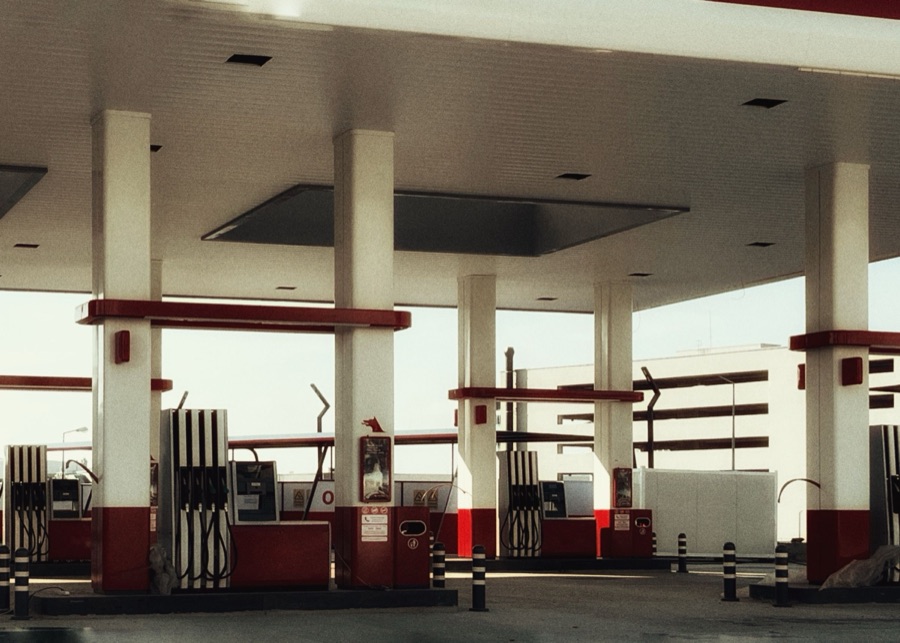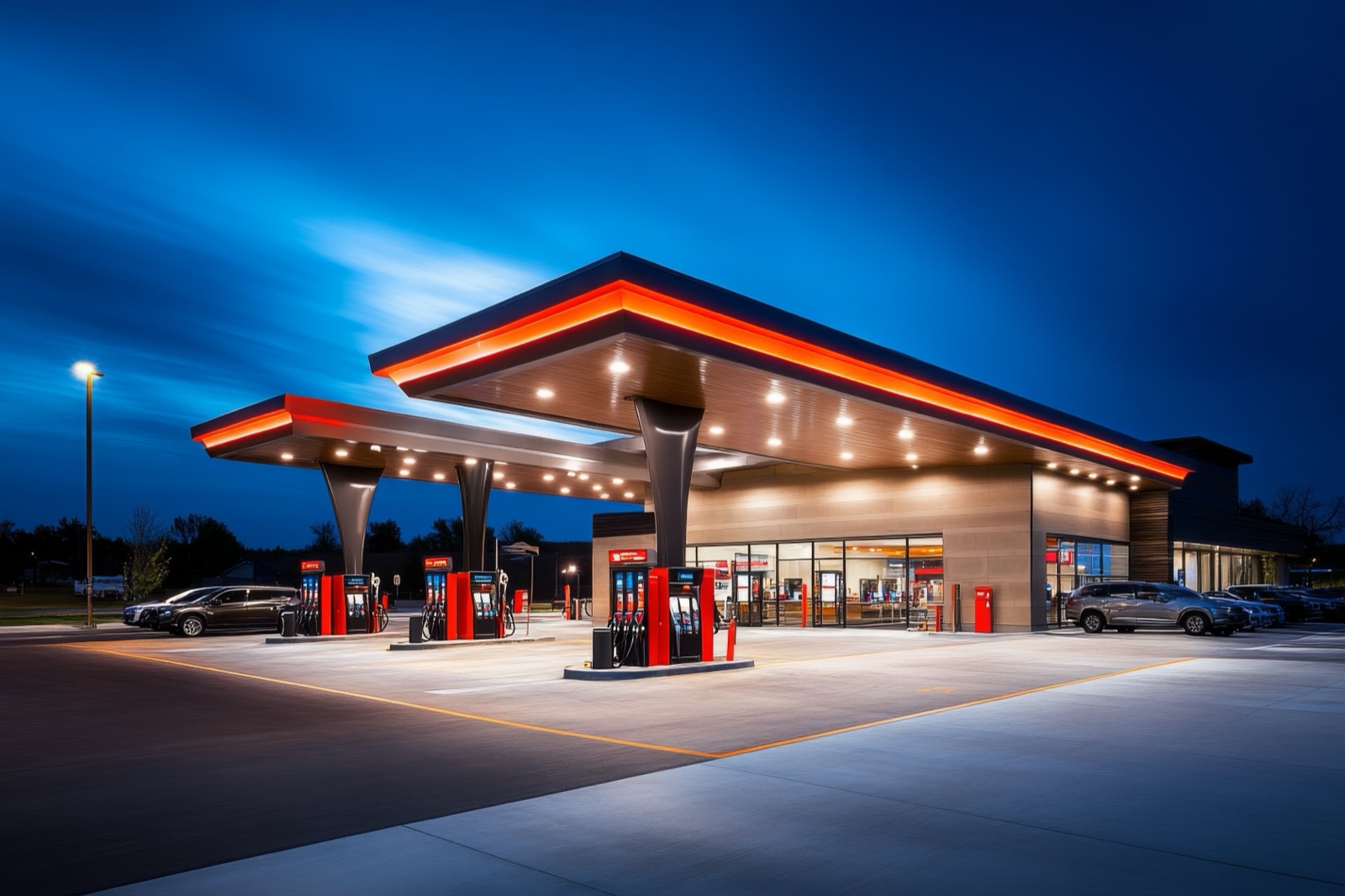
A Shell location is a branded fuel asset, and that brand affiliation shapes value, supply, and the buyer pool more than the physical site does. Most Shell stations are operated under a jobber fuel supply agreement or a direct dealer arrangement, with brand image standards on canopy, signage, dispensers, and loyalty programs. Branded fuel C-stores trade at a national cap rate near 5.6%, roughly 5.58% with fuel included, against a wider 6.87% without fuel. Buyers range from owner-operators to passive 1031 investors seeking dependable throughput and a recognized canopy. Whether you are acquiring your first Shell or exiting after years of operation, the work is in the supply contract, the image obligations, and clean environmental records. We help buyers and sellers close branded fuel deals.
What a Shell deal actually involves
A Shell transaction is rarely just real estate and inventory. The core asset is a branded fuel position governed by a supply contract, image standards, and the in-store business. In-store sales typically run about 30% of revenue but roughly 70% of profit, so the C-store side carries the deal even though the canopy draws the traffic. A small-to-medium station owner often nets about $70K to $100K a year, with stronger sites reaching $100K to $500K depending on volume, location, and labor model.
Due diligence covers fuel volumes, the supply agreement, environmental condition of the underground storage tanks, and image compliance. Work through our due diligence checklist and review profit margins before you set price expectations.
Fuel supply, branding, and image obligations
The fuel supply agreement is the single most important document in a Shell deal. It sets pricing, minimum gallon commitments, term length, and how branding transfers to a new owner. Many sites are run by a jobber or a lessee-dealer rather than a direct dealer, and each structure changes who controls the brand and the margin. Read our explainers on the jobber fuel supply agreement and dealer versus lessee-dealer versus commission models.
Brand image standards govern canopy, signage, dispensers, restrooms, and loyalty enrollment. A buyer should budget for any required image upgrade and confirm the supplier will consent to assignment. Net fuel profit is only a few cents per gallon after costs even though 2025 gross fuel margins averaged 40-plus cents per gallon, so in-store margins of 20% to 40% matter.
Who buys Shell gas stations
Shell sites attract a broad buyer pool. Owner-operators want a recognized brand that drives fuel volume and walk-in traffic, and many are first-time buyers stepping into ownership. Passive investors and 1031 exchange buyers want branded fuel on a long-term net lease, where absentee ownership and predictable rent matter more than day-to-day operations.
A busy urban Shell can move 100,000 to 150,000 gallons a month against a US average near 4,000 gallons a day, and that throughput is what most buyers underwrite. We work with both groups across our branded and NNN listings. If you want a hands-off position, see absentee ownership and our absentee listings.
How Shell stations are valued
Branded fuel C-stores price near a 5.6% national cap rate, about 5.58% with fuel and 6.87% without it. Geography drives the spread. Florida is tightest near 5.11%, Texas runs about 5.63%, the Carolinas 5.0% to 5.5%, and Tennessee 5.4% to 5.75%, while weaker markets sit at 6.0% to 6.5% and up. For comparison among national brands, Wawa trades 4.83% to 5.20%, 7-Eleven 5.00% to 5.40%, Murphy USA around 5.13%, and Circle K 5.35% to 5.65%.
On an earnings basis, a combined real estate and business Shell trades around 8x EBITDA, 7x to 9x in premium markets, while business-only deals run 2.5x to 4.0x EBITDA. Test your numbers with our cap rate calculator and valuation calculator, then read what a good cap rate looks like.
How to buy a Shell gas station
Start with financing, because special-purpose fuel sites have specific rules. SBA 7(a) loans reach $5M and require a 15% minimum equity injection, with real estate terms up to 25 years and June 2026 rates around 9% to 11.5% APR variable, closing in 30 to 90 days. Conventional financing usually wants 30% to 40% down, and many banks avoid underground storage tanks because of CERCLA liability. A Phase I ESA at $1,800 to $3,500 under ASTM E1527-21 is required on SBA fuel deals.
Confirm the supplier will assign or issue a new branded fuel contract before you commit. Compare loan paths in SBA versus conventional and start the process with our financing team and the how to buy a gas station guide.
How to sell a Shell gas station
Sellers get the strongest pricing when fuel volumes, in-store margins, and environmental records are documented and the supply agreement is assignable. Business broker commissions run 10% to 20% on business-only deals and about 6% to 10% on real-estate-inclusive transactions, with typical sale timelines of 3 to 6 months. Clean tank testing and a current image package widen the buyer pool and tighten the cap rate.
Owners exiting investment property often roll proceeds into a 1031 exchange, identifying replacements within 45 days and closing within 180 calendar days, with absolute NNN 15 to 20 year terms as ideal targets. Read how to sell a gas station and how to increase value, then list with our sell-side team.