/* placeholder removed below */
What a Buc-ee's Deal Actually Involves
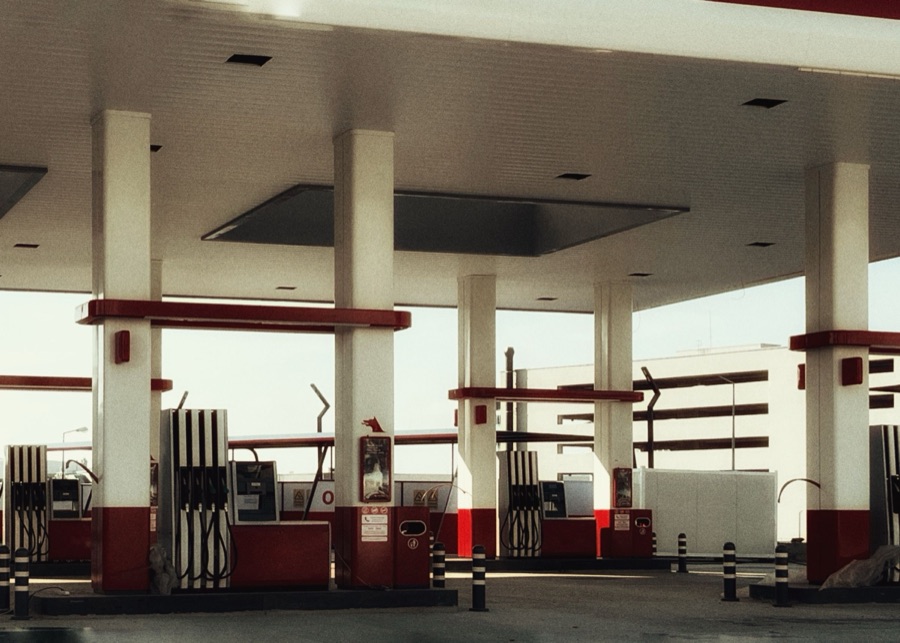
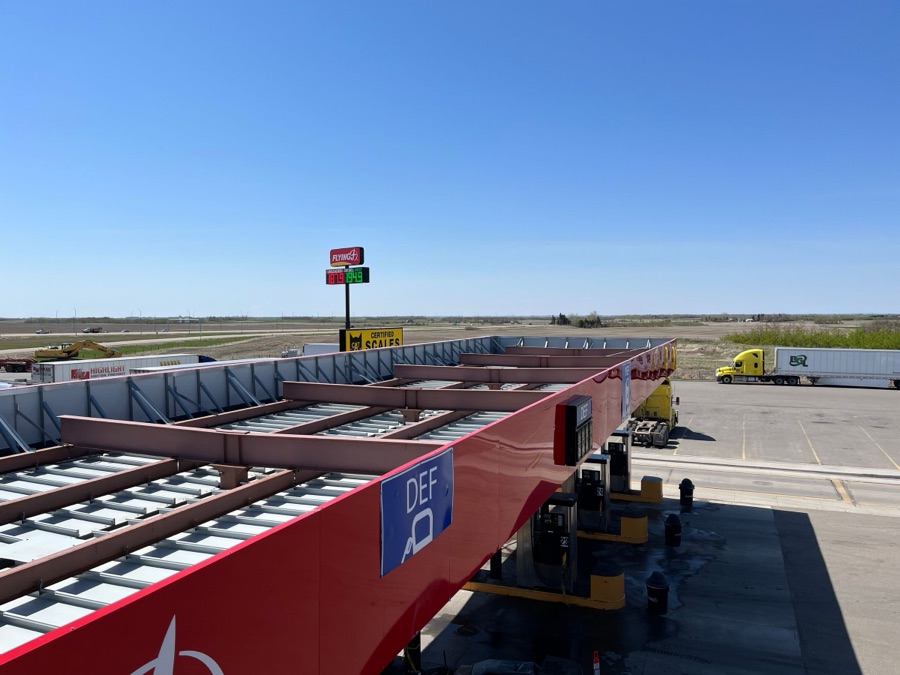
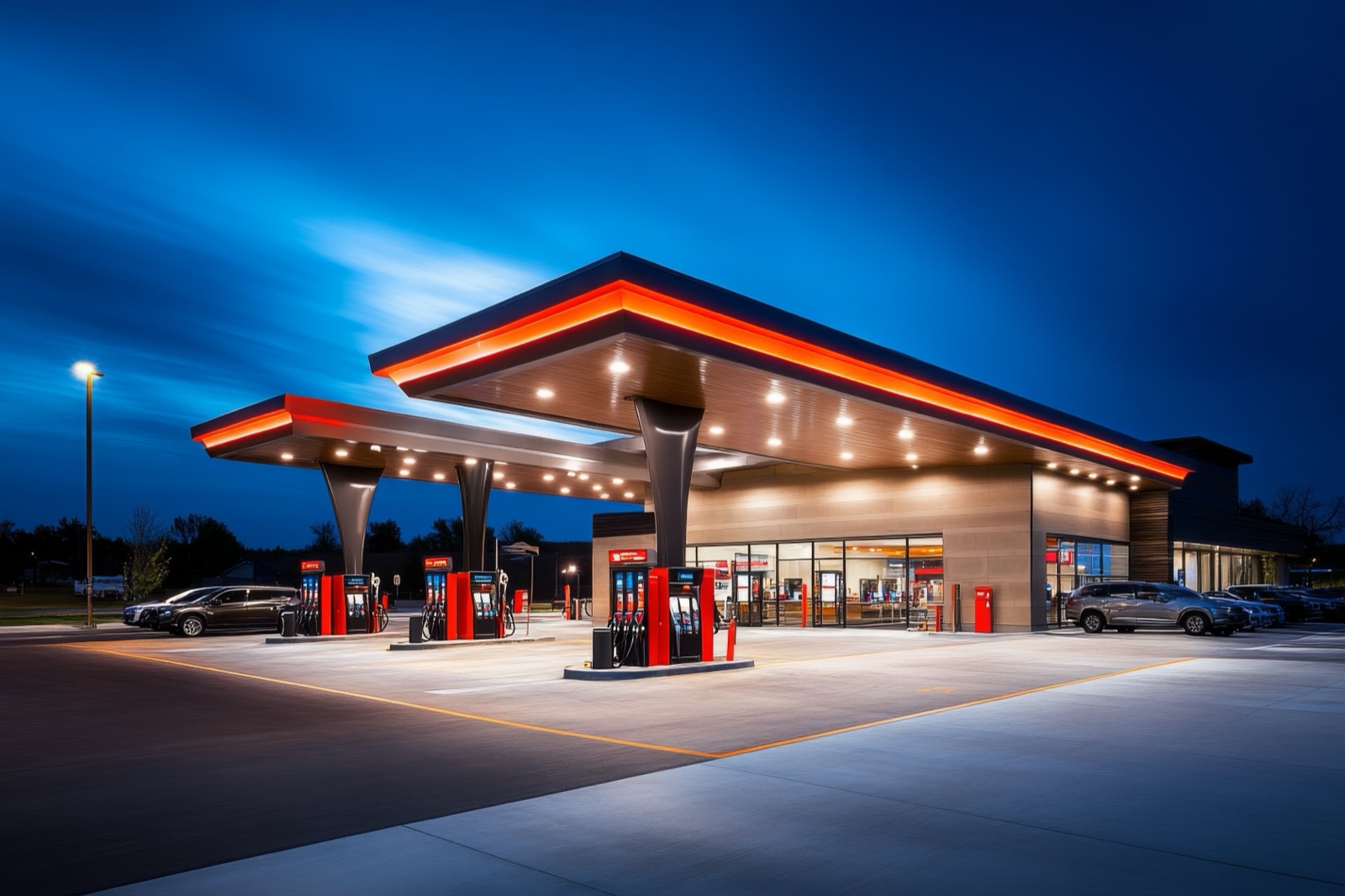
Start with the structure, because it changes everything. Buc-ee's builds, owns, and operates its own stores. There is no franchise to buy and no dealer agreement to assume, so a standalone Buc-ee's-branded location is not an asset most buyers can acquire. When investors say they want a Buc-ee's, they almost always mean the underlying property type: a destination travel center on a major corridor doing high fuel volume with an oversized convenience store.
That asset is very much for sale across the market. It trades either as a going concern (the business plus the real estate) or, less often, as a net-leased property under a creditworthy operator. We help buyers translate a brand-name search into a real, financeable target. See our truck stops and travel centers for sale and our guide to who buys these stores.
Branding, Fuel Supply, and Image Obligations
Because Buc-ee's runs an integrated company model, you will not find a jobber fuel-supply contract or a brand-image package the way you would on a franchised flag. That matters when you shop comparable travel centers. Most large-format sites that do trade are either independent operations or branded under a major flag through a fuel-supply agreement, which carries volume commitments, image and maintenance standards, and a defined term.
Those obligations move value. A branded supply contract can lift fuel margin support but also locks you into capital upgrades and resets. An independent travel center gives you pricing freedom but no brand pull. Before you write an offer, understand exactly which model you are buying. Our explainers on jobber and fuel-supply agreements and branded vs unbranded stations lay out the tradeoffs.
Who Buys Travel Centers Like This
The buyer pool for a Buc-ee's-style asset is narrower and better capitalized than for a corner station. It includes multi-site operators expanding a regional footprint, fuel-and-travel-center platforms backed by private equity, and 1031 investors looking for a large-format net-leased property. Owner-operators rarely play at this scale because the capital and operating complexity are too high.
Each buyer values the same site differently. An operator pays for gallons, inside-sales upside, and labor leverage. A passive investor pays for lease term and tenant credit, which is why NNN travel-center cap rates run tighter than the going-concern math implies. Knowing which buyer you are courting sets the price. Read who buys gas stations and our NNN investing guide before you take a position to market.
How a Travel Center Is Valued
Large-format sites are valued as businesses first. Combined fuel-and-store deals trade at 4.0x to 7.0x EBITDA, and a site that includes premier real estate runs around 8x EBITDA, 7x to 9x in premium markets. The reason the multiple holds up is the profit mix: the C-store is roughly 30% of revenue but about 70% of profit, with inside items carrying 20% to 40% margins while net fuel profit is only a few cents per gallon despite 2025 fuel gross margins averaging 40-plus cents.
Run two cross-checks. On a per-gallon basis, busy sites price at $0.05 to $0.30 per gallon of monthly throughput. On a cap-rate basis, fuel-inclusive net-leased product nationally sits near 5.58%, with Florida tightest around 5.11% and Texas about 5.63%. Use our valuation calculator and cap-rate calculator to model your number.
How to Buy a Travel Center
Define the target first. Decide whether you want the going concern, a net-leased property, or a development pad near an anchor. Then line up capital, because special-purpose fuel assets are financed carefully. SBA 7(a) caps at $5M and requires a 15% minimum equity injection on special-purpose stations, with real-estate terms up to 25 years and June 2026 rates around 9% to 11.5% APR variable. Conventional lenders want 30% to 40% down and many avoid underground tanks because of CERCLA liability.
Environmental diligence is non-negotiable. A Phase I ESA costs $1,800 to $3,500 under ASTM E1527-21 and is required for SBA fuel deals. We coordinate the lender, the tank file, and the lease so closings land in the typical 30 to 90 days. Start with our buyer representation and the due-diligence checklist.
How to Sell a Travel Center
If you operate a large-format site that buyers compare to Buc-ee's, you have a scarce asset, and pricing it correctly is the whole game. Recast the financials so a buyer sees true store-level EBITDA, separating fuel margin from the high-margin inside business that carries the value. Address the tanks and environmental file early, because an open issue or aging UST will compress your price and shrink your buyer pool.
Then choose the structure. A going-concern sale taps operators and platforms. A sale-leaseback lets you cash out the real estate near current cap rates while you keep running the store. Business-only broker commissions run 10% to 20%, and roughly 6% to 10% when real estate is included, with sale timelines of 3 to 6 months. Begin with our seller representation and the guide on increasing value before you sell.